
Book Consultation
← Back to Blog Nutrition

Why we Need More Protein in today's age (And How to Get It)

Traditional diets are rich in flavor but often protein-poor. Here's how to bridge the gap without losing your cultural connection to food.

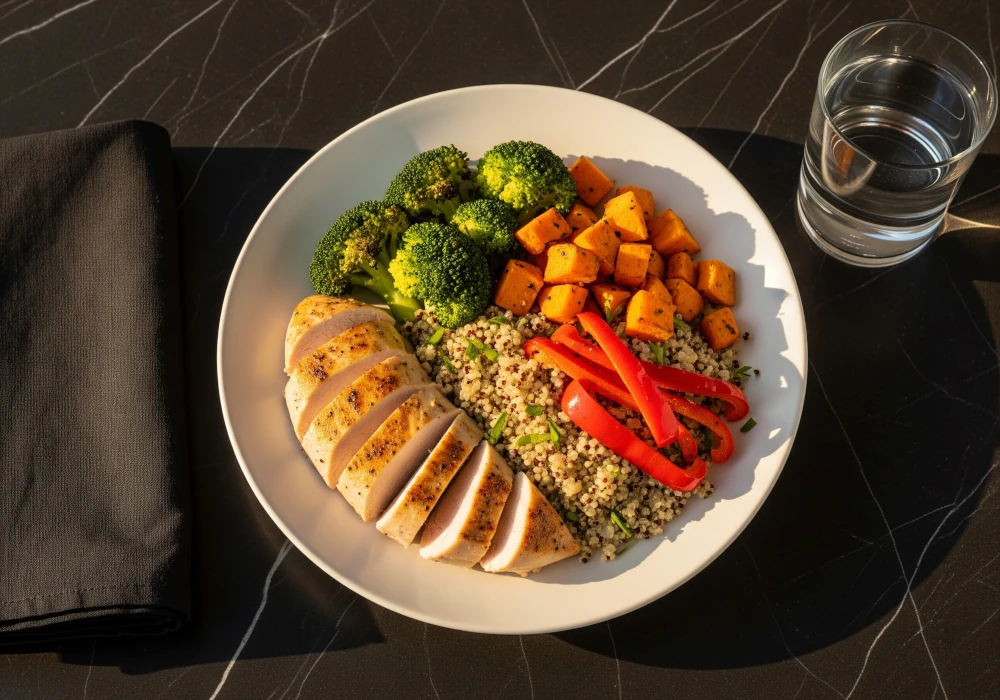
protein-rich foods including lentils, paneer, and lean meats

Here's a startling fact: 73% of people living in Western countries don't meet their daily protein requirements, despite having access to more food options than ever before.

The culprit? Traditional diets that prioritize carbs and fats while treating protein as an afterthought. But there's a solution that doesn't require abandoning your culinary heritage.

An Average Protein Gap

Most meals follow a predictable pattern: rice or roti as the foundation, vegetables cooked in oil, and maybe a small portion of dal. Protein often comes last—if at all.

The numbers don't lie:

  • Average diet: 12-15% protein
  • Optimal for health and fitness: 25-30% protein
  • That's a gap of 15-40 grams per day for most people

Why We Specifically Need More

Genetic research shows usually people have a higher predisposition to muscle loss with age and metabolic issues. Higher protein intake can:

  • Combat "skinny fat" syndrome common in our community
  • Improve insulin sensitivity and reduce diabetes risk
  • Maintain muscle mass as we age
  • Boost metabolism naturally

Breaking the Myths

"Too much protein is bad for kidneys" - Only true if you have existing kidney disease.

"Vegetarian diets can't provide enough protein" - False. With smart planning, plant-based diets can easily meet protein needs.

"Protein makes you bulky" - Protein actually helps you stay lean by preserving muscle during weight loss.

Hier ist ein erschreckender Fakt: 73% der in westlichen Ländern lebenden erfüllen nicht ihre täglichen Proteinanforderungen, obwohl sie Zugang zu mehr Lebensmitteloptionen haben als je zuvor.

Der Schuldige? Traditionelle Diäten, die Kohlenhydrate und Fette priorisieren, während Protein nachrangig behandelt wird. Aber es gibt eine Lösung, die nicht erfordert, Ihr kulinarisches Erbe aufzugeben.

Die Protein-Lücke

Die meisten Mahlzeiten folgen einem vorhersagbaren Muster: Reis oder Roti als Grundlage, in Öl gekochtes Gemüse und vielleicht eine kleine Portion Dal. Protein kommt oft zuletzt—wenn überhaupt.

Die Zahlen lügen nicht:

  • Durchschnittliche südasiatische Diät: 12-15% Protein
  • Optimal für Gesundheit und Fitness: 25-30% Protein
  • Das ist eine Lücke von 15-40 Gramm pro Tag für die meisten Menschen

Warum Speziell Mehr Brauchen

Genetische Forschung zeigt, dass Südasiaten eine höhere Veranlagung für Muskelverlust im Alter und Stoffwechselprobleme haben. Höhere Proteinaufnahme kann:

  • "Skinny Fat"-Syndrom bekämpfen, das in unserer Gemeinschaft häufig ist
  • Insulinsensitivität verbessern und Diabetesrisiko reduzieren
  • Muskelmasse erhalten, während wir altern
  • Stoffwechsel natürlich ankurbeln

Ihr südasiatisches Erbe und optimale Ernährung können absolut koexistieren. Es braucht nur den richtigen Ansatz.

You Might Also Like

Mindset

Sleep is Non-Negotiable

Sleep isn't rest—it's your brain's maintenance mode.

Efficiency

The CEO's Protocol: Elite Fitness in Under 4 Hours

Ruthlessly efficient system for building strength while running a business.

Training

Why Lifting Weights is the Ultimate Anti-Aging Tool

Stay stronger, longer with the science-backed anti-aging power of resistance training.

Ready to optimize your diet?

Get personalized nutrition guidance that respects your cultural preferences while maximizing your health and fitness results.

Book Nutrition Consultation